
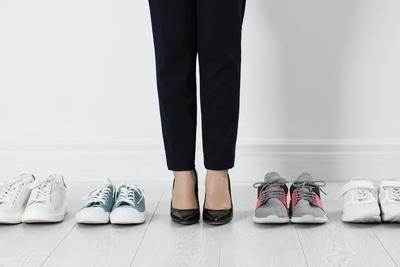
Footwear plays a critical role in supporting mobility, comfort, and long-term foot health. Shoes that fit properly and provide appropriate support help protect the feet from excessive stress and repetitive strain. When footwear lacks stability or cushioning, it can contribute to pain, imbalance, and injury over time. Understanding how proper shoes affect the body helps patients make informed choices for everyday activities and physical performance.
Supporting Natural Foot Alignment
Well-designed footwear helps maintain proper foot alignment during standing and walking. Supportive soles, stable heel counters, and balanced cushioning promote even weight distribution across the foot. This reduces pressure on sensitive areas and limits abnormal movement that can strain joints, tendons, and ligaments.
When alignment is supported, the ankles, knees, hips, and lower back also benefit. Proper footwear helps create a stable foundation that supports the entire musculoskeletal system.
Reducing Stress on Muscles and Joints
Each step places force on the feet and lower limbs. Shoes with appropriate shock absorption and arch support help minimize the impact of walking, running, and prolonged standing. Without this protection, repetitive stress may lead to fatigue, inflammation, and overuse injuries.
Supportive footwear reduces strain on muscles and joints, allowing the body to move more efficiently and recover more easily between activities.
Preventing Common Foot Conditions
Improper footwear is a frequent contributor to foot problems such as plantar fasciitis, bunions, hammertoes, calluses, and heel pain. Tight toe boxes, poor arch support, and worn-out soles can worsen pressure points and disrupt natural movement patterns.
Choosing shoes that match foot shape and activity level helps prevent these conditions from developing or progressing. Proper fit allows toes to move freely while maintaining stability throughout the foot.
The Importance of Fit and Function
Comfort alone does not guarantee proper support. Shoes should fit securely without squeezing, slipping, or rubbing. Adequate depth, width, and flexibility are essential for accommodating individual foot structure and movement needs.
Different activities require different footwear features. Walking, athletic training, work environments, and medical conditions may all influence shoe selection. Podiatric guidance helps patients choose footwear that supports both lifestyle and foot health.
When Professional Guidance Is Helpful
Persistent foot pain, recurring injuries, or difficulty finding comfortable shoes may signal the need for professional evaluation. A podiatrist can assess gait, foot mechanics, and pressure patterns to recommend appropriate footwear or custom orthotics when necessary.
Early intervention helps prevent minor discomfort from becoming chronic or debilitating.
Protecting Long-Term Mobility Through Smart Footwear Choices
Proper footwear is an investment in long-term mobility and comfort. Supportive shoes help prevent injury, reduce pain, and promote healthy movement patterns. By choosing footwear thoughtfully and seeking professional guidance when needed, patients can protect their feet and remain active with confidence.